English
Solid Waste Treatment Boom – Xingguang Leads the Way.
2026-05-02 10:37:56
2026-05-02 10:37:56
Dual-Carbon Strategy Advancement and Stricter Environmental Regulations Make Solid Waste Treatment a Essential Market
The accumulation of various types of solid waste has led to pollution, land occupation, resource waste, and other issues. Harmless treatment, reduction, and resource utilization of solid waste have become the core development direction of the industry.
With industry upgrading and policy support, the solid waste treatment market is entering a golden period. Treatment equipment determines processing efficiency, resource utilization rate, and operational costs. The following analysis covers three key dimensions – industry trends, policy benefits, and equipment selection – to examine the advantages of this market and detail the core competitiveness of Xingguang Environmental Protection equipment.
Part 1: Industry Status – An Essential Market with Strong Potential
1. Growing Industry Demand and Significant Market Gaps
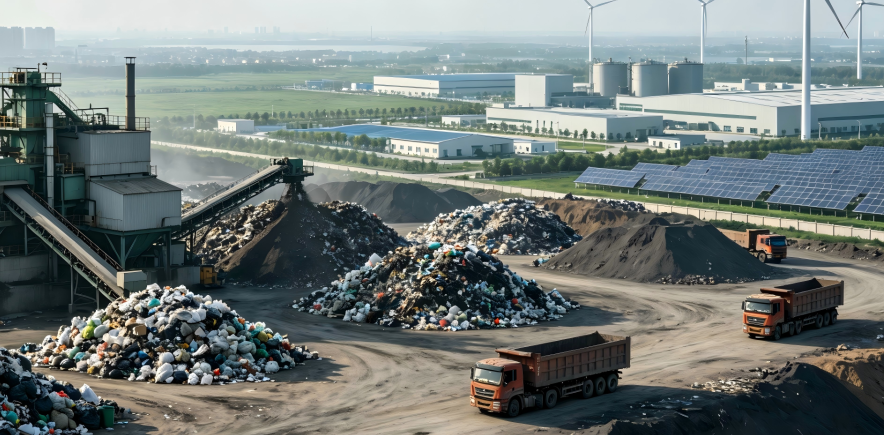
Urbanization and industrialization have driven increasing solid waste production. Construction waste exceeds 3 billion tons annually, while industrial solid waste stockpiles have surpassed 10 billion tons. Output of various solid waste types remains high.
Traditional landfilling and stacking methods cause land waste and secondary pollution, failing to meet green development requirements. Currently, the harmless treatment and resource utilization rates still have significant room for improvement, driving surging demand for intelligent integrated treatment solutions.
2. Clear Industry Direction with Resource Utilization Becoming Mainstream
The industry has moved away from simple disposal methods, focusing instead on reduction, harmless treatment, and resource utilization as core development directions. Emphasis is placed on solid waste recycling and reuse to build circular economy value chains, transforming waste into valuable resources.
The industry is accelerating the phase-out of outdated, high-energy-consumption equipment, making intelligent and energy-saving equipment an essential requirement. Small and medium-sized enterprises with outdated technology are gradually being eliminated, while industry concentration continues to increase.
Part 2: Policy Support – Industry Entering a Golden Development Period
National and local governments have introduced numerous supportive policies, promoting standardized industry development through regulations, subsidies, and industrial infrastructure, bringing tangible benefits to industry participants.
1. National Level – Strict Environmental Standards Driving Industry Upgrades
The Solid Waste Pollution Prevention and Control Law has been continuously strengthened, tightening compliance standards and increasing penalties, forcing enterprises to upgrade equipment and standardize processes. Against the background of the Dual-Carbon Strategy, the solid waste resource utilization industry has received significant policy support.
2. Local Subsidies Reducing Operational Costs
Various provinces and cities have introduced special support policies, providing subsidies for equipment procurement, site construction, and tax reductions. Resource-based products receive additional special subsidies, further expanding profit margins.
3. Infrastructure Development Expanding Application Scenarios
Urban renewal and transportation infrastructure projects generate large amounts of construction waste while simultaneously creating strong demand for recycled building materials. This connects the upstream and downstream of the solid waste treatment industry chain, ensuring both raw material supply and product sales channels.
Summary: Policies have raised market entry barriers, subsidies have reduced costs, and market demand continues to expand. The solid waste industry has entered a period of high prosperity. Companies with high-quality equipment and technology will capture more market share.
Part 3: Product Selection – Xingguang Environmental Protection, Deeply Committed to Solid Waste Treatment
The key to compliance and cost reduction lies in equipment selection. Xingguang Environmental Protection has established a strong presence in solid waste treatment, specializing in various solid waste disposal equipment covering multiple treatment scenarios. With its robust capabilities, the company has become a preferred brand in the industry.
1. Self-Developed Technology Adapting to Multiple Solid Waste Treatment Scenarios
The brand pursues independent research and development. Equipment features modular design that can adapt to different types of solid waste disposal needs, offering versatility far exceeding similar industry products.
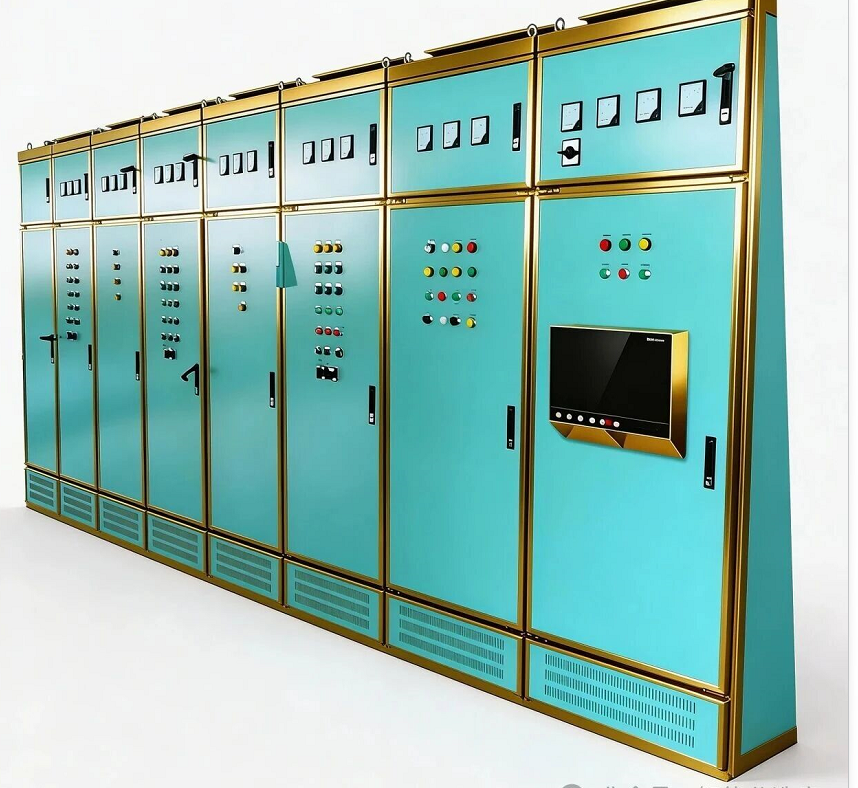
Equipped with intelligent control systems that automatically adjust parameters and sort impurities, solving common industry problems such as single-function processing and impure sorting found in traditional equipment.
2. Energy Saving and Consumption Reduction, Lowering Long-Term Operational Costs
Equipment features optimized power systems, reducing energy consumption by 15% to 25% compared to average industry levels. Enclosed operation structures produce no pollution and meet environmental inspection standards.
Components are wear-resistant and durable with low failure rates. Maintenance costs are low, compressing operational expenses across multiple dimensions.
3. High Resource Utilization Rate with Stronger Profitability
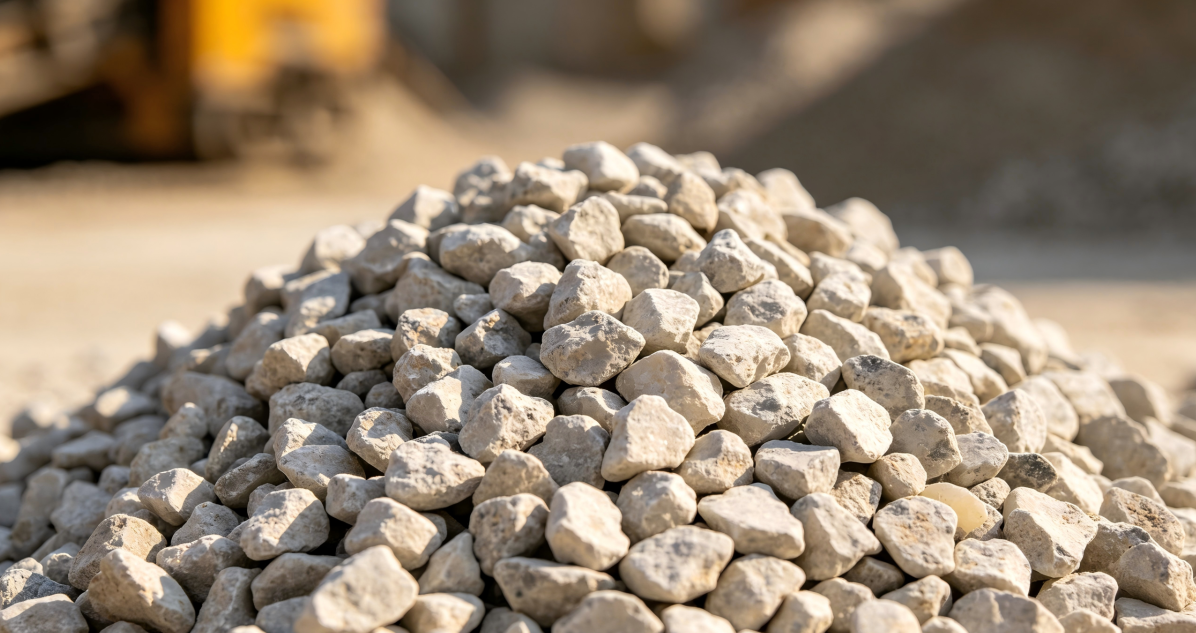
Equipment features optimized processing technology, producing output materials with high purity and uniform particle size. Suitable for multiple types of solid waste recycling processing, achieving resource utilization rates up to 98%.
High-quality reclaimed materials can be directly supplied to downstream markets, expanding revenue channels and aligning with circular economy development trends.
4. Customized Services Adapting to Different Enterprise Needs
For different application scenarios, the brand provides customized equipment solutions covering mobile portable equipment and large fixed production lines.
Comprehensive services include site planning, installation and commissioning, and operational maintenance support, ensuring stable production line operation.
Part 4: Industry Outlook – Seizing Opportunities in the Solid Waste Blue Ocean Market
The industry will continue to experience rapid growth over the next 3 to 5 years. Environmental regulations and resource utilization requirements will continue to escalate, eliminating crude processing methods. Seizing policy benefits and selecting high-quality equipment are key to long-term enterprise development.
Xingguang Environmental Protection will continue to iteratively upgrade intelligent and energy-saving equipment, optimize solid waste treatment solutions, deepen its commitment to the environmental protection sector, and work with partners to share in the growth of this market.
Previous Page:
-
Starlight Environmental Intelligence – Turning Coal Gangue into Treasure, Unlocking a New Path for Solid Waste Resource Utilization2026-05-13 14:12:02
-
Turning Waste into Treasure! Construction Waste Resource Utilization Technology Unlocks a New Path for Green Development2026-04-08 13:31:48
-
Popular science of mine hoist2024-01-11 16:33:48
-
Urban Renewal Construction Waste: Challenges and Solutions2026-06-04 10:24:06
-
Struggling with Clay-Stone Mix? Xingguang Clay-Stone Separator – Clean Aggregates Made Easy.2026-05-20 10:50:55
-
Solid Waste Treatment Boom – Xingguang Leads the Way.2026-05-02 10:37:56
-
Starlight Environmental Intelligence Solves Screening Challenges of Wet, Sticky, and Entangling Materials with Shaftless Trommel Screen2026-04-26 10:58:29
-
How to Solve Solid Waste Sorting Challenges? Starlight Environmental Intelligence’s Integrated Air Classifier Ushers in a New Paradigm for Green Sorting2026-04-21 13:11:00
-
Dust-Free & Energy-Smart: Starry Eco Revolutionizes Industrial Conveying2026-03-11 10:46:24
-
New "Ten Rules for Solid Waste" Policy Takes Effect, Injecting Powerful Momentum into the Waste Resource Utilization Industry and Unfolding a Billion-Yuan Green Market Blueprint2026-03-01 14:29:33
-
Xingguang Mining Delivers Core Mining Equipment to a Coal Mine in Guizhou2025-08-23 13:12:55
-
Steel Backbone: The Mine Fight of JK Mine Hoist2025-07-14 08:20:03
-
Xingguang Mining Shines at China-Africa Economic and Trade Expo, Unveiling a New Chapter of Win-Win Cooperation2025-06-23 10:31:00
-
Xingguang Mining Machinery: Innovating Mine Hoisting Solutions2025-06-19 08:27:25
-
Choice of container size2025-05-30 08:10:12
Quick
consultation
The Hebi starlight Mining Machinery Manufacturing Co., Ltd. was registered as a limited liability company on March 23, 1997, is a professional company that produces and sells mining hoisting winch, mine hoist and accessories.
Products
Copyright © 2025 Hebi Xingguang Mining Machinery Manufacturing Co., Ltd.